Common situation
Told you need a hip replacement
Hip replacement is one of the most effective operations in orthopaedics, but it is still major surgery. It is reasonable to want a second view first.
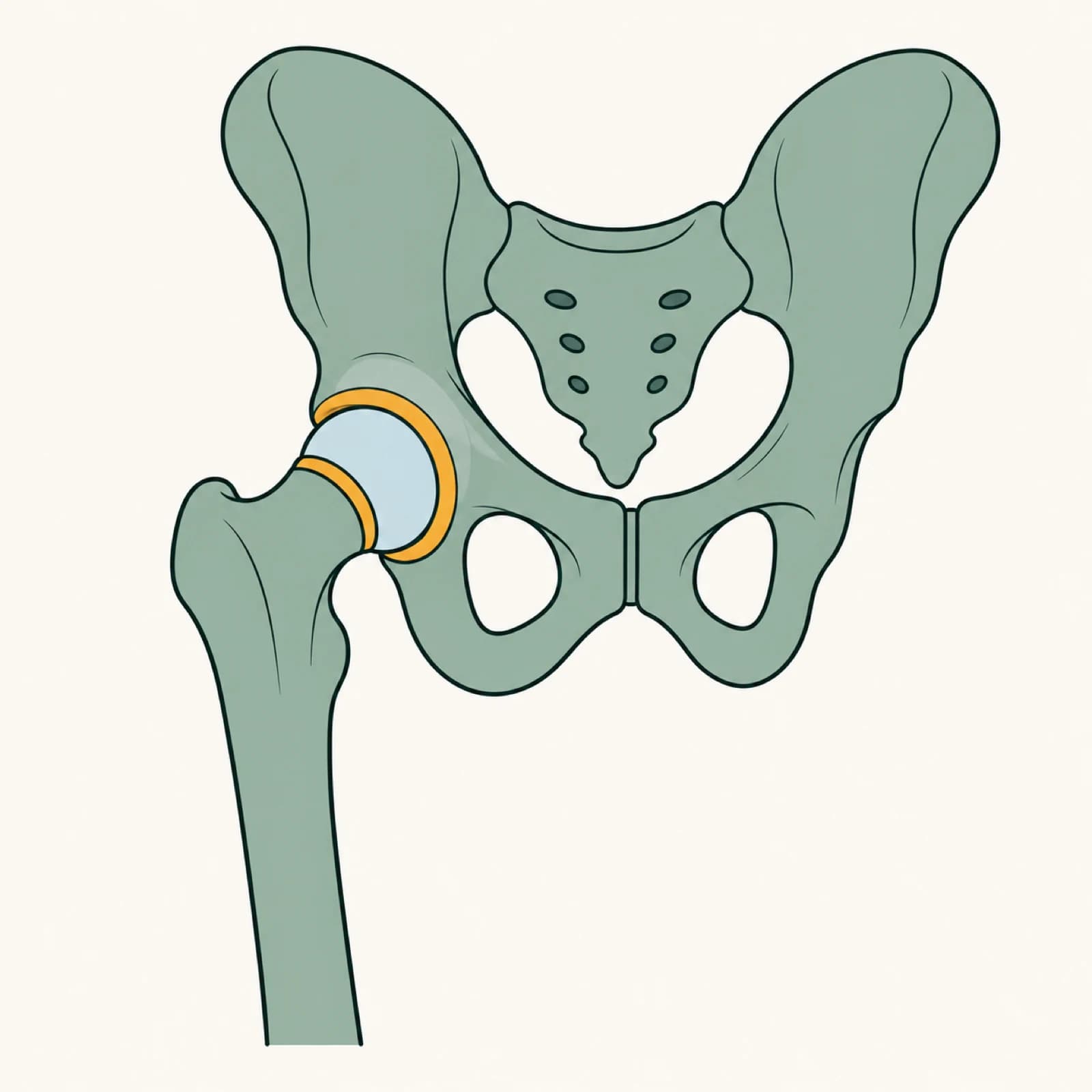
Understanding your options
What you have probably been told
Most people reach this page after being told their hip joint is significantly worn, usually with pain that is worse with walking or at night, stiffness, and a scan or X-ray showing loss of the normal joint space. You may have been offered a date, put on a waiting list, or advised to think it over. Some people are also told they are “too young” or “not bad enough yet”, which can be just as unsettling as being told surgery is needed.
A guide to the discussion
Connect the hip findings to your symptoms
Pain pattern
Where is the pain and when does it occur?
Movement
Which movements and daily tasks are difficult?
Imaging
Does the scan support the proposed explanation?
Other causes
Could the back or surrounding tissues contribute?
Bring the findings together with your goals.
No single finding decides the right treatment for everyone.
Your clinical review
What a second opinion looks at
Professor Lee reviews your history, your imaging and any letters, then examines the hip and the surrounding joints, since back and knee problems can sometimes mimic or contribute to hip symptoms. He looks at how the degree of wear on the scan compares with your actual symptoms and function, what conservative measures have already been tried, and whether there is a joint-preserving option worth considering depending on your age, activity level and the pattern of wear.

What would each route mean for you?
Questions to explore with your consultant; these are not individual treatment recommendations.
What you can take away
The realistic range of outcomes
As with any second opinion, there is a genuine range of possible outcomes. Professor Lee may agree that hip replacement is the right course and explain the reasoning in more detail than you have had before. He may suggest a non-surgical option or a joint-preserving approach is worth trying first. He may advise that surgery can reasonably wait, with clear guidance on what to monitor. Or he may conclude that your current plan is correct as it stands, which is a legitimate and often reassuring outcome in its own right.
Make the appointment yours
Questions worth asking
- How does my scan compare with how the hip actually feels and functions?
- Is there anything conservative worth trying before surgery?
- What are the realistic risks and the realistic benefits, for someone like me specifically?
- What would change your advice, and when should I be reassessed?
- What does recovery typically involve, in practical terms?

Second Opinion Clinic
Talk through your next step.
£400 · 45 minutes · Monthly clinic sessions
Confirm the next clinic date, location and available slot when booking.