Common situation
ACL injury
Torn your ACL and been given a plan, surgical or not? A second opinion can help you weigh it up before committing.
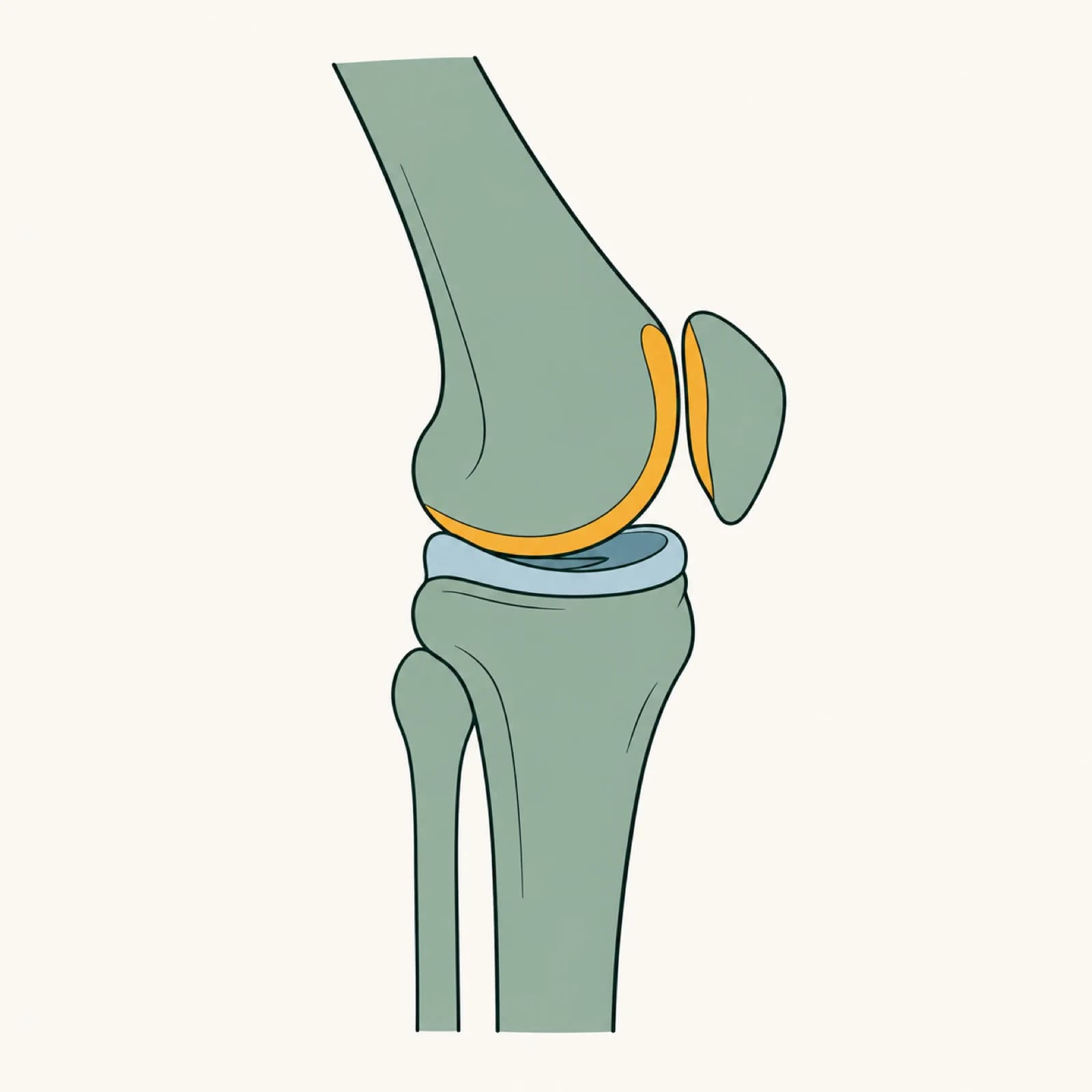
Understanding your options
What you have probably been told
An ACL tear usually comes with a choice: reconstruct the ligament surgically, or manage without surgery through rehabilitation and bracing, sometimes called “prehab and rehab” or a non-operative pathway. You may have been given a recommendation based on your age, activity level and which sports you want to return to, or you may have been left to choose between the two yourself without much explanation of the trade-offs. Some people are also told they have other damage alongside the ACL, such as a meniscus tear, which changes the picture.
A guide to the discussion
Stability, activity and the other injuries
Giving way
When does the knee feel unreliable?
Your activities
Which movements matter for your work or sport?
Associated injury
Does meniscus or cartilage damage alter the plan?
Rehabilitation
What has improved, and what still limits you?
Bring the findings together with your goals.
No single finding decides the right treatment for everyone.
Your clinical review
What a second opinion looks at
Professor Lee reviews your MRI and any clinic letters, takes a history of how the injury happened and what your knee does now (whether it gives way, for example), and examines the knee’s stability directly. He considers what you actually want to get back to: competitive pivoting sport, recreational activity, or simply a knee that does not give way during daily life, since the right answer genuinely differs by goal. He also looks for associated injuries, such as meniscus or cartilage damage, that change the reconstruction decision or the timing of it.
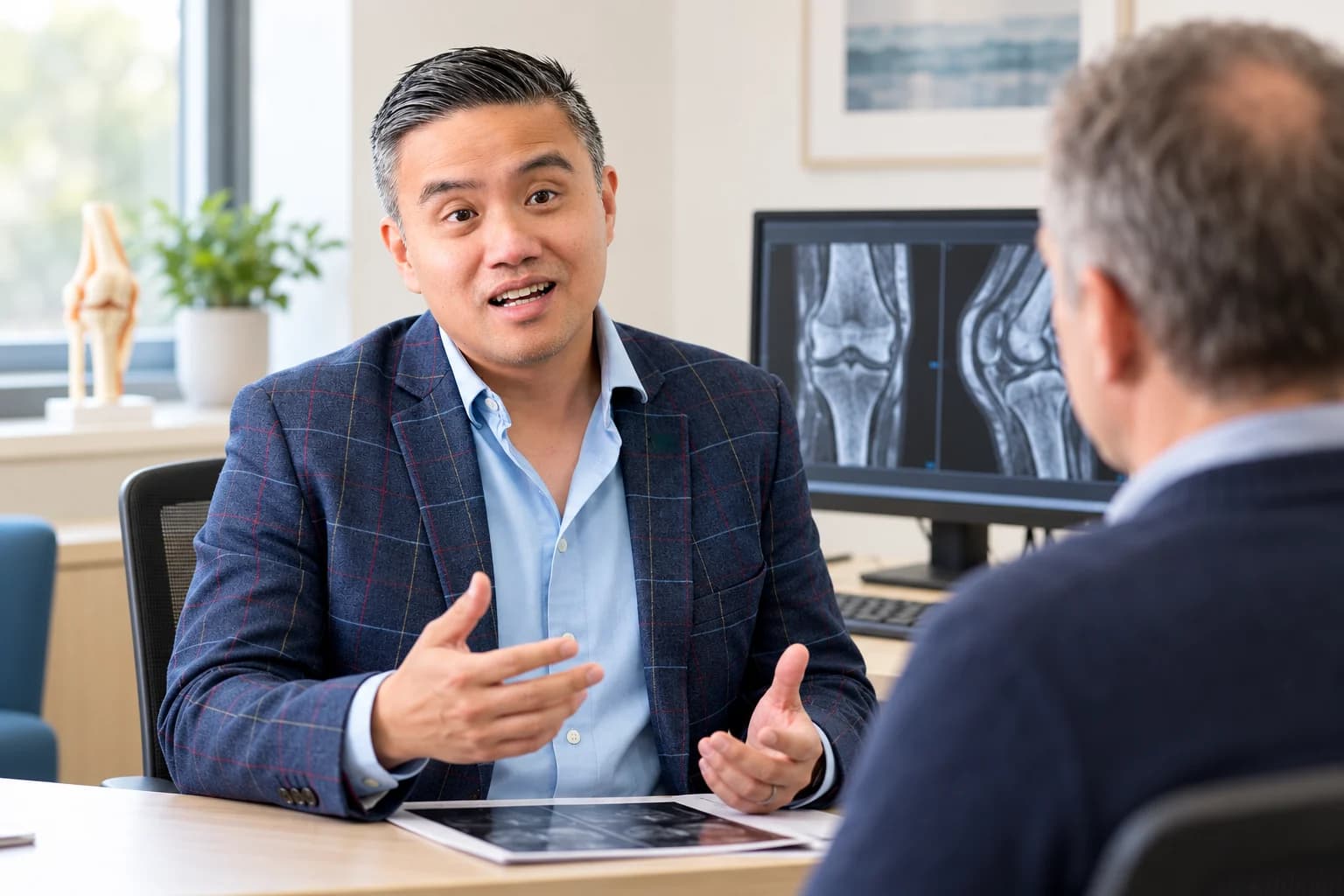
Rehabilitation and reconstruction
Questions to explore with your consultant; these are not individual treatment recommendations.
What you can take away
The realistic range of outcomes
Outcomes vary by what you want and what is found. They can include: confirmation that reconstruction is the right route for your goals, with a clear explanation of graft choice and timing; a case for a structured non-surgical pathway instead, with defined criteria for revisiting surgery if that does not work; identification of an associated injury, such as a repairable meniscus tear, that should be addressed alongside or before the ACL decision; or reassurance that your current plan, surgical or not, is reasonable as it stands. None of these is a wrong or unusual outcome.
Make the appointment yours
Questions worth asking
- Given what I want to return to, what does the evidence say about surgery versus rehabilitation for someone like me?
- Is there any other damage in the knee that changes this decision?
- If I have surgery, what graft options are there and why would one suit me better?
- If I do not have surgery, what would tell us it is not working?
- What does a realistic return-to-sport timeline look like either way?

Second Opinion Clinic
Talk through your next step.
£400 · 45 minutes · Monthly clinic sessions
Confirm the next clinic date, location and available slot when booking.